A young man took a sleeping pill. He also had a few drinks that night. He never woke up. This is not a rare story. It happens more often than most people realize. Combined drug intoxication is one of the leading causes of accidental death worldwide. Yet many people still do not know what it means or how dangerous it truly is.
Combined drug intoxication happens when two or more substances are in the body at the same time. These substances can be prescription drugs, alcohol, illegal drugs, or even common medicines. When they mix, the effects do not just add up. They can multiply. The result can be deadly.
Why Mixing Substances Is More Dangerous Than You Think
Most people think danger only comes from taking too much of one thing. That is not true. Combined drug intoxication can happen even with small amounts of each substance. The real problem is how drugs interact inside the body.
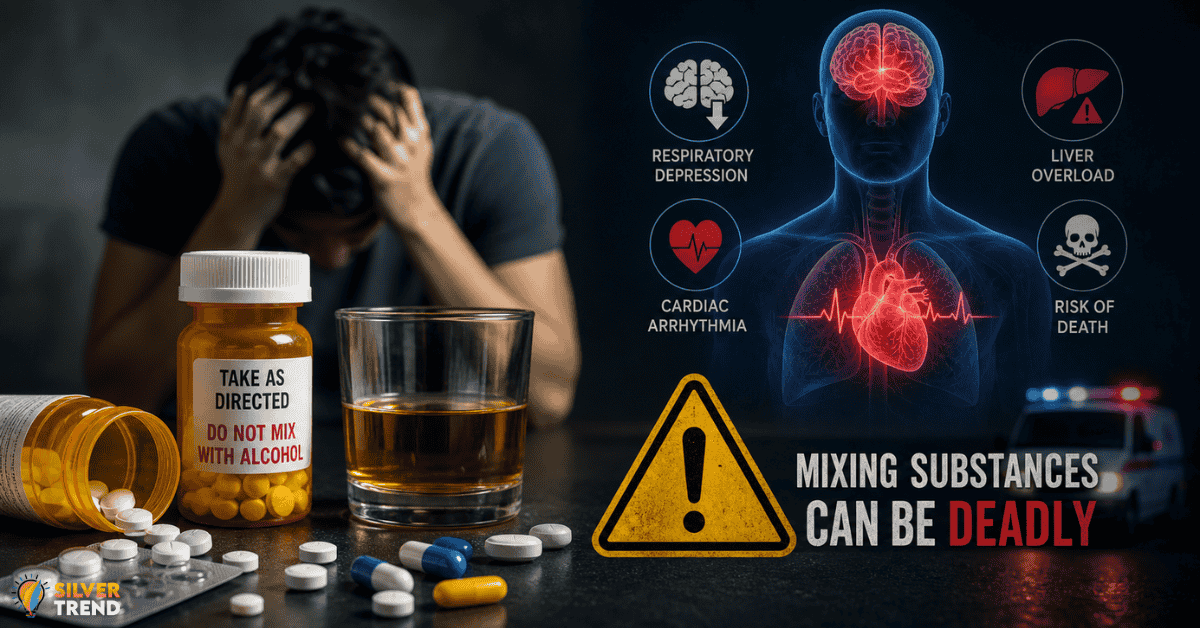
Some drugs slow down your breathing. Alcohol does this. Opioids do this, too. When you take both at once, your brain gets confused. It may stop telling your lungs to breathe. This is called respiratory depression. It is the most common cause of death in combined drug intoxication cases.
Other drug combinations affect the heart. Some speed it up. Some slow it down. When mixed, the heart can beat in a dangerous, uneven rhythm. This is called cardiac arrhythmia. It can cause a heart attack within minutes.
Here is a simple way to understand it:
- Depressant + Depressant (alcohol + sleeping pills): Slows breathing to dangerous levels
- Stimulant + Depressant (cocaine + alcohol): Creates a toxic chemical called cocaethylene in the liver
- Opioid + Benzodiazepine (painkillers + anti-anxiety pills): Extremely high risk of fatal overdose
- Prescription + Prescription: Even legal drugs can cause combined drug intoxication
The Hidden Danger in Everyday Medicine Cabinets
Most people think combined drug intoxication is only a problem for drug addicts. This is a harmful myth. Many victims are ordinary people. They take a blood pressure pill in the morning. They drink wine with dinner. They take a pain reliever at night. This combination alone can be risky.
Even over-the-counter medicines can play a role. Cold medicines with antihistamines, for example, can make sedatives much stronger. Many people do not read labels carefully. They do not know what is already in their system.
Older adults face extra risk. They often take many medicines at once. Their bodies also process drugs more slowly. This means substances stay in their blood longer. Combined drug intoxication in older adults is often mistaken for a stroke or heart attack.

Warning Signs You Should Never Ignore
Recognizing combined drug intoxication early can save a life. The signs are not always obvious. They can come on slowly and quietly.
Watch for these warning signs:
- Unusually slow or shallow breathing
- Confusion or inability to speak clearly
- Unresponsive to touch or sound
- Blue or purple color on lips or fingertips
- Very slow heartbeat
- Sudden loss of balance or coordination
- Pinpoint (very small) pupils
If you see someone showing these signs after taking substances, call emergency services right away. Do not wait. Time is critical in combined drug intoxication cases. Every minute without oxygen causes brain damage.
What Happens in the Body During Combined Drug Intoxication
Think of your brain as an air traffic control center. It manages breathing, heart rate, and muscle movement. Different drugs send conflicting signals to this control center simultaneously.
One drug says, “Slow down.” Another says, “Speed up.” The brain cannot process all these signals at once. It starts making errors. Some functions may shut down completely. This is why combined drug intoxication is so unpredictable. Even doctors cannot always tell which drug combination caused which reaction.
The liver is also under attack. It works overtime trying to break down multiple substances. When it is overwhelmed, toxins build up in the blood. This can lead to organ failure over time.
Practical Steps to Lower Your Risk
Combined drug intoxication is largely preventable. Simple habits can protect you and the people you love.
Always tell your doctor about every substance you take. This includes vitamins, herbal teas, and alcohol. Doctors can check for dangerous interactions before prescribing anything new.
Never drink alcohol while on prescription medicines without asking your pharmacist first. This one step prevents a large number of combined drug intoxication deaths each year.
Use drug interaction checkers online. Many free tools in 2026 let you enter two or more substances and see potential risks. These tools are quick, simple, and potentially life-saving.
If you are with someone who uses recreational drugs, know where the nearest hospital is. Learn basic first aid. Consider keeping naloxone nearby if opioids are involved. Naloxone can reverse an opioid overdose and buy critical time.
Combined drug intoxication does not discriminate. It affects young people, older adults, the rich, and the poor. The only protection is knowledge and caution. Understanding the real risks is the first and most powerful step toward staying safe.