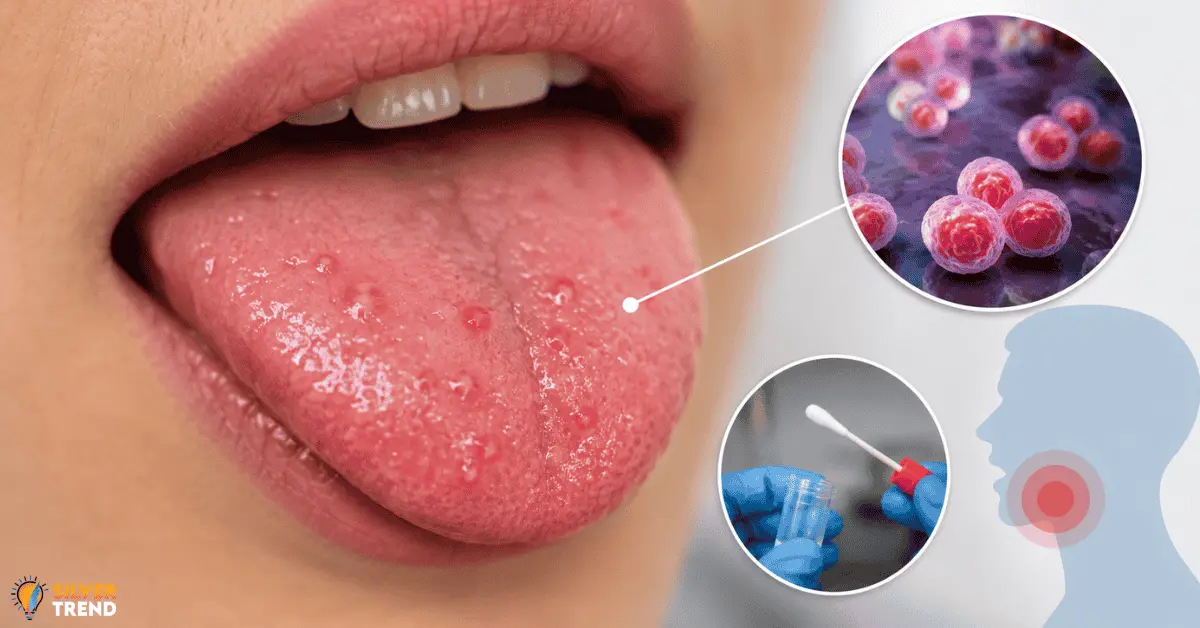
Most people never expect a sexual infection to show up in their mouth. But it happens more often than you think. Chlamydia bumps on tongue can appear after oral sex with an infected person. Many people do not even realize they have it. That is what makes it so easy to spread without knowing.
This article will walk you through what these bumps look like, why they form, and what you should actually do about them.
How Chlamydia Affects the Mouth
Chlamydia is caused by a bacterium called Chlamydia trachomatis. Most people connect it to genital infections. But the throat and mouth can also get infected. This is called oropharyngeal chlamydia.
When the bacteria reaches your mouth, it can irritate the soft tissues. This includes your tongue, inner cheeks, and throat. Your immune system reacts to fight the infection. That reaction can cause small sores or bumps to form.
Chlamydia bumps on tongue are usually small and may look pale, white, or slightly red. They can feel sore or tender. Some people feel a burning sensation on the tongue. Others notice mild swelling or a rough texture on the tongue surface.
Here is the tricky part. These bumps do not always appear. Many people with oral chlamydia have no visible signs at all. They feel fine and never suspect anything is wrong.
Why These Bumps Are Easy to Miss
The bumps from oral chlamydia can look very similar to other common mouth problems. This is one reason so many people ignore them or misidentify them.
They can be confused with:
- Canker sores
- Oral thrush (a fungal infection)
- Allergic reactions to food
- Irritation from hot drinks or spicy food
- Cold sores caused by herpes
Because of this, many people treat themselves with over-the-counter mouth gels or rinses. The real infection stays untreated. Meanwhile, the bacteria can spread further or get passed to a partner.
This is why it is so important not to guess on your own. If you notice unusual bumps on your tongue and you have had recent oral sexual contact, get tested.
What Oral Chlamydia Feels Like
Not everyone gets visible chlamydia bumps on tongue. But when symptoms do show up, here is what people commonly describe:
- A sore throat that does not go away
- Mild pain or discomfort when swallowing
- Redness at the back of the throat
- Small bumps or sores on the tongue or inner mouth
- A feeling that something is stuck in the throat
- Bad breath that is hard to explain
Some people also experience general tiredness or a mild fever. These are signs your body is trying to fight something off.

One thing people rarely mention is how silent this infection can be. A person can carry oral chlamydia for weeks or even months without a single obvious symptom. Regular testing is the only real way to know for sure.
Getting Tested and Treated
If you think you might have oral chlamydia or you have noticed chlamydia bumps on tongue, do not wait. Testing is simple and not painful.
A doctor or sexual health clinic will take a swab from the back of your throat. It takes just a few seconds. Results usually come back within a few days.
If the test is positive, treatment is straightforward. Oral chlamydia is usually treated with antibiotics. The most common options are:
- Azithromycin (a single-dose treatment in most cases)
- Doxycycline (taken twice a day for about a week)
Both are effective. Your doctor will choose the right one based on your health history. It is important to finish the full course of antibiotics even if you start feeling better early.
During treatment, avoid oral sexual contact so you do not pass the infection to anyone else. Your partner should also get tested and treated at the same time.
Protecting Yourself in the future
Once treated, chlamydia bumps on tongue will heal as the infection clears. But you can get reinfected if you are exposed again. Here is how to lower your risk:
- Use dental dams or condoms during oral sex
- Get tested regularly, especially if you have multiple partners
- Talk openly with partners about sexual health
- Do not skip follow-up tests after treatment
Testing once a year is a good habit. If you are more sexually active or have new partners, testing every three to six months makes more sense.
One thing worth knowing: getting tested is not something to be embarrassed about. It is actually one of the most responsible things you can do for yourself and for the people you care about.
The Takeaway
Chlamydia bumps on tongue are real; they can appear without warning, and they are easy to mistake for something harmless. The infection often shows no symptoms at all. That is what makes oral chlamydia so easy to overlook and spread.
If something feels off in your mouth after oral sexual contact, get checked. Treatment is simple, fast, and highly effective. The sooner you act, the better your outcome.
Your health is worth that one quick visit to a clinic.