Taylor Swift is one of the biggest stars in the world. Fans love everything about her. And right now, everyone is talking about the Taylor Swift engagement ring. It is beautiful, meaningful, and truly one of a kind. Let’s explore what makes this ring so special and why fans cannot stop talking about it.
What Does the Taylor Swift Engagement Ring Look Like?
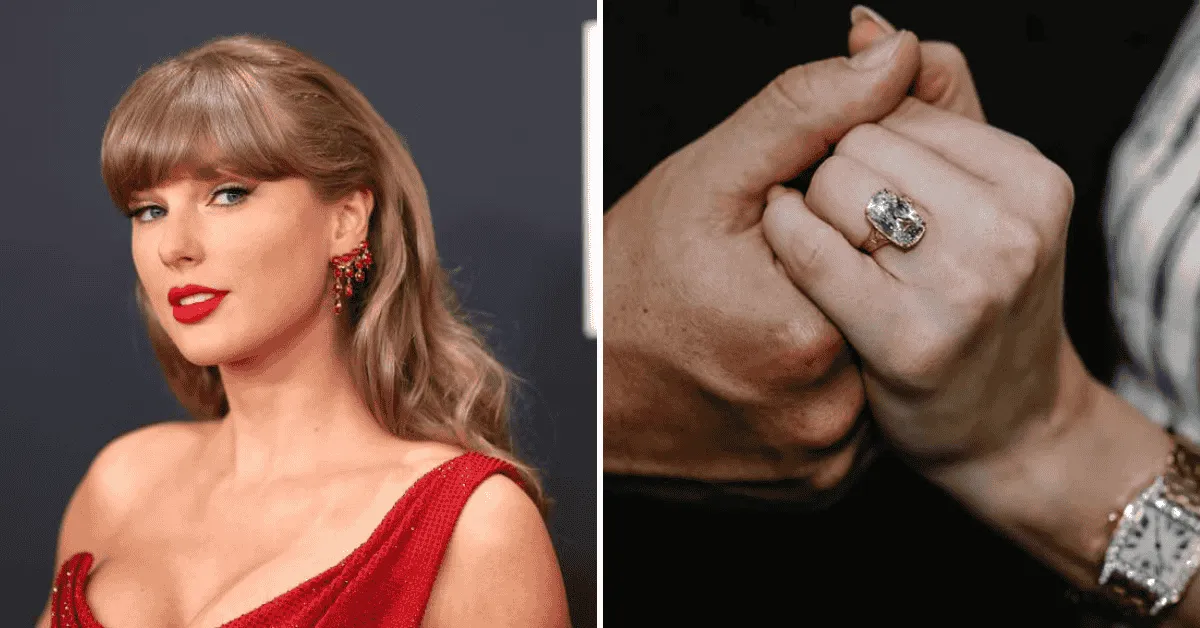
The Taylor Swift engagement ring is stunning. It features a large marquise-cut diamond at the center. A marquise cut is an oval shape with pointed ends. It looks elegant and unique on the finger.
The ring also has smaller diamonds around the sides. These are called pavé diamonds. They add extra sparkle and shine. The ring is set in a gold band, which gives it a warm and classic look.
Here are some key details about the ring:
- Cut: Marquise-cut center diamond
- Setting: Pavé diamond band
- Metal: Gold band
- Style: Vintage-inspired, romantic
This Taylor Swift engagement ring is not just pretty. It also has a deeper meaning.
The Hidden Meaning Behind the Ring
Every great ring tells a story. The Taylor Swift engagement ring is no different. The marquise cut has a royal history. Kings and queens in Europe once wore this shape. It stands for elegance and power.
The gold band connects to Taylor’s love of vintage style. She has always shown this love in her music and fashion. Songs like “Love Story” and “Enchanted” reflect this romantic, old-world feeling.
The pavé diamonds around the band represent small moments that add up to something big. Just like in Taylor’s songs, little details always matter the most.
Fans believe this Taylor Swift engagement ring was chosen with great care. Every part of it matches her personality perfectly.
Who Gave Taylor Swift the Engagement Ring?
Taylor Swift has been dating Travis Kelce, the famous NFL star. Travis plays for the Kansas City Chiefs. He is one of the top players in football today.
Travis and Taylor made their relationship public in 2023. Since then, fans have watched every step of their love story. The Taylor Swift engagement ring became a major topic among fans worldwide.
Travis is known for being romantic and fun. He has surprised Taylor many times in public. Fans believe he put a lot of thought into choosing this ring. It matches Taylor perfectly.
Why Fans Are So Obsessed With the Ring
People love the Taylor Swift engagement ring for many reasons. Here are the biggest ones:
- It is unique. The marquise cut is not the most common choice. It stands out.
- It matches her style. Taylor loves things that feel romantic and vintage.
- It is high quality. The diamond is large and beautifully cut.
- It has meaning. Every detail connects to who Taylor is as a person.
- It started a trend. After news of the ring spread, marquise-cut rings became very popular.
Jewelry experts say the Taylor Swift engagement ring could be worth several million dollars. But for Taylor and Travis, the value goes far beyond money.

What the Ring Teaches Us About Choosing the Right Ring
Taylor Swift’s engagement ring offers some great lessons. Whether you are buying a ring someday or just curious, these tips are helpful.
Think about the person’s style. Taylor’s ring fits her perfectly. Always choose a ring that matches who the person is.
Pick a meaningful cut. The shape of a diamond can say a lot. Round cuts are classic. Marquise cuts are bold and royal. Oval cuts are soft and romantic.
Choose quality over size. A smaller, well-cut diamond can look more beautiful than a large, poorly cut one.
Consider the metal. Gold feels warm and vintage. Silver and platinum feel modern and cool. Match it to the person’s taste.
Add personal details. Small touches like pavé stones or engraving make a ring feel truly special.
The Taylor Swift engagement ring got all of these things right. That is why it feels so perfect.
Final Thoughts on the Taylor Swift Engagement Ring
The Taylor Swift engagement ring is more than just jewelry. It is a symbol of love, thoughtfulness, and personal style. Every detail was chosen with care and meaning.
Taylor Swift has always told stories through her art. Now, her ring tells a beautiful story too. It shows that the best gifts come from truly knowing someone.
Whether you are a Swiftie or just a fan of beautiful rings, this ring is hard not to love. It is romantic, bold, and completely Taylor.