Picture this. You walk into GameStop on a random Tuesday. A pre-owned PS5 sits on the shelf. The price tag makes you look twice. You grab it before anyone else does. That feeling? That is what smart GameStop PS5 shopping looks like.
Most people think buying a PS5 in 2026 is simple. Just pick one up, pay, and leave. But there is a lot more to it. If you know how GameStop works, you can save real money. You can also avoid some common mistakes buyers make every day.
How GameStop PS5 Pricing Actually Works
GameStop does not price all PS5 consoles the same way. There are new ones, pre-owned ones, and bundle deals. Each type has a different price and value.
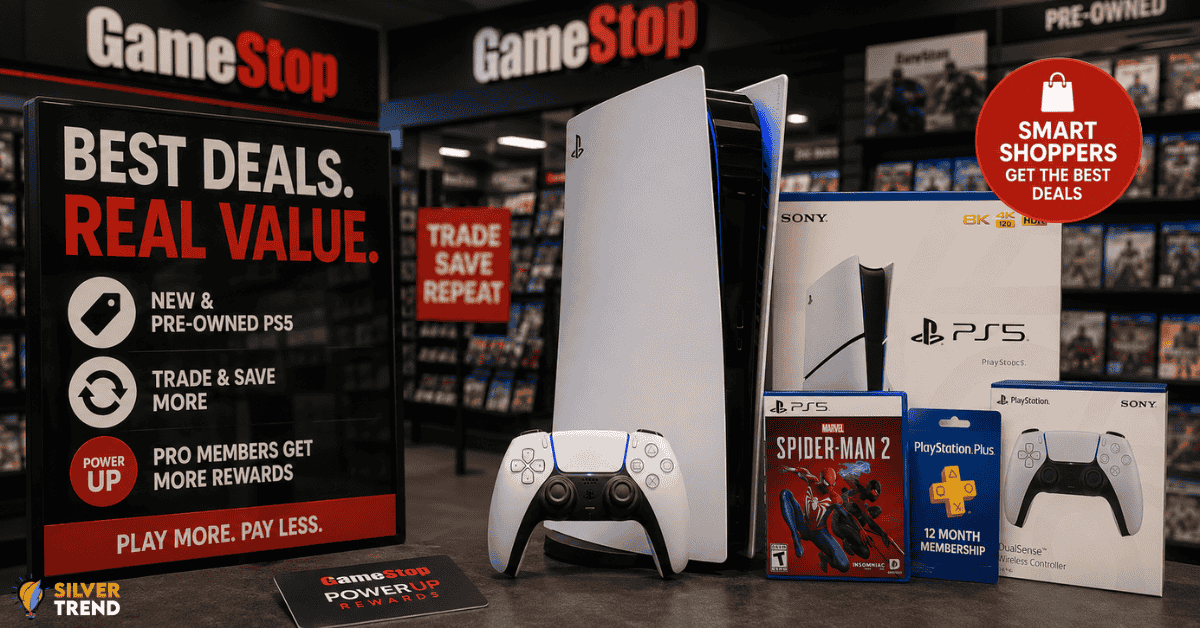
New PS5 consoles at GameStop often come with bundle options. These bundles include games, controllers, or subscriptions. Sometimes a bundle costs less than buying everything separately. That is worth checking before you buy.
Pre-owned GameStop PS5 units are the real hidden gem. These are consoles traded in by other customers. GameStop tests them before selling. They also come with a short warranty in most cases. So you are not buying blind.
Here is something most shoppers miss. GameStop Pro members get early access to deals. If you shop at GameStop often, the Pro membership pays for itself fast. You earn points on every purchase. Those points turn into rewards you can use on your next GameStop PS5 buy.
The Trade-In Strategy Nobody Talks About
Here is a tip that actually works in real life. Trade in your old console or games before buying a GameStop PS5. GameStop runs special trade-in promotions throughout the year. During these events, your old stuff is worth more than usual.
For example, trading in an old PlayStation 4 during a promo can knock a significant amount off the price of your PS5. Some people combine trade-in credit with a pre-owned PS5 and spend very little out of pocket. That is not luck. That is planning.
The best time to do this is around major holidays or big gaming events. GameStop tends to run strong trade-in deals during:
- Black Friday and Cyber Monday
- Back-to-school season
- Game launch weekends
- New console announcement periods
Check the GameStop PS5 section online and in-store during these times. Deals move fast.

Buying Online vs. In-Store at GameStop
Both options have real advantages. Let us break it down simply.
Buying in-store lets you inspect the product. For pre-owned GameStop PS5 units, this matters. You can check the box, ask questions, and leave with it the same day. Staff can also tell you about current in-store-only promotions.
Buying online gives you more inventory options. Sometimes the GameStop website has stock that local stores do not carry. You can also filter by condition, price, and bundle type. Online orders can ship to your home or be picked up at your nearest store.
One underrated move: reserve a GameStop PS5 online and pick it up in-store. You lock in the deal without worrying about stock running out. This is especially useful during high-demand periods like the holidays.
What to Check on a Pre-Owned PS5
If you buy a pre-owned GameStop PS5, look for these things before leaving the store:
- All ports should be clean and undamaged
- The disc drive should open and close smoothly
- Ask if it has been factory reset
- Confirm the warranty period
- Make sure all cables and accessories are included
A quick five-minute check saves a lot of hassle later.
GameStop PS5 Bundles Worth Considering
GameStop regularly puts together bundles that offer real value. In 2026, some of the most useful bundles include an extra controller, a popular game title, and sometimes a PlayStation Plus subscription card.
A bundle deal at GameStop on a PS5 can stretch your money further. Instead of paying full price for each item separately, you get a packaged deal that cuts the total cost. Always compare the bundle price to individual prices before deciding.
Also, pay attention to GameStop’s clearance section. Older games bundled with a PS5 can be a great deal, even if they are not brand new. Many classic PS5 titles are just as fun now as they were on release day.
Smart Timing Makes a Big Difference
Timing your GameStop PS5 purchase is just as important as what you buy. Prices shift based on supply, promotions, and the time of year. Buying in January or early February, right after the holiday rush, often means less competition and steadier prices.
Mid-year sales in July are also worth watching. GameStop sometimes runs summer deals that do not get as much attention as holiday promotions. Less attention means better chances of snagging a solid GameStop PS5 deal without competing with a crowd.
Set a price alert or check the GameStop PS5 listings once a week. Consistency pays off. The shoppers who find the best deals are not lucky. They are simply paying attention when others are not.
Getting a PS5 from GameStop in 2026 does not have to feel like a gamble. With the right timing, the right membership, and a little patience, you can walk away with a great deal and a great console.