Most people think PlayStation is just about games. But the real story is much bigger than that.
The Sony PlayStation platform business is one of the smartest business models in tech today. It does not just sell consoles. It sells an entire world that keeps people coming back. Once you understand how it works, you start to see why Sony keeps growing even when others struggle.
More Than Just a Gaming Console
Sony does not make most of its money from selling hardware. In fact, selling the PS5 at launch often meant small margins. The real profit engine sits somewhere else entirely.
The Sony PlayStation platform business earns heavily from digital services. PlayStation Network, PlayStation Plus, and the PlayStation Store are the true money makers. When millions of players buy games online, subscribe monthly, or purchase in-game items, that money flows directly to Sony without any physical product involved.
This is called a platform economy. Build the base, grow the users, then earn from every transaction inside that base. Sony has been quietly perfecting this model for over a decade.
Here is how the layers work:
- Hardware brings people into the ecosystem
- PlayStation Network keeps them connected
- PlayStation Plus locks in monthly revenue
- Digital game sales generate high-margin income
- First-party exclusives drive console sales and loyalty
Each layer feeds the next. That is the genius of the Sony PlayStation platform business.
Why Exclusives Are a Business Weapon
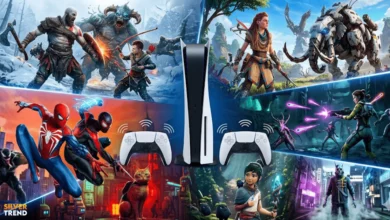
Games like Spider-Man, God of War, and Horizon are not just popular titles. They are strategic tools. Sony invests heavily in these because exclusives force a simple decision: if you want to play this game, you must buy a PlayStation.
This is called a “lock-in strategy.” Once a player invests in a console and builds a game library, switching to a competitor becomes costly not just in money but also in time and in the emotional connection to saved games, trophies, and friends on the network.
The Sony PlayStation platform business uses exclusives to do something most businesses dream of. It creates loyal customers who actively defend the brand online, recommend it to friends, and pre-order products without hesitation.
The PlayStation Plus Shift Changed Everything
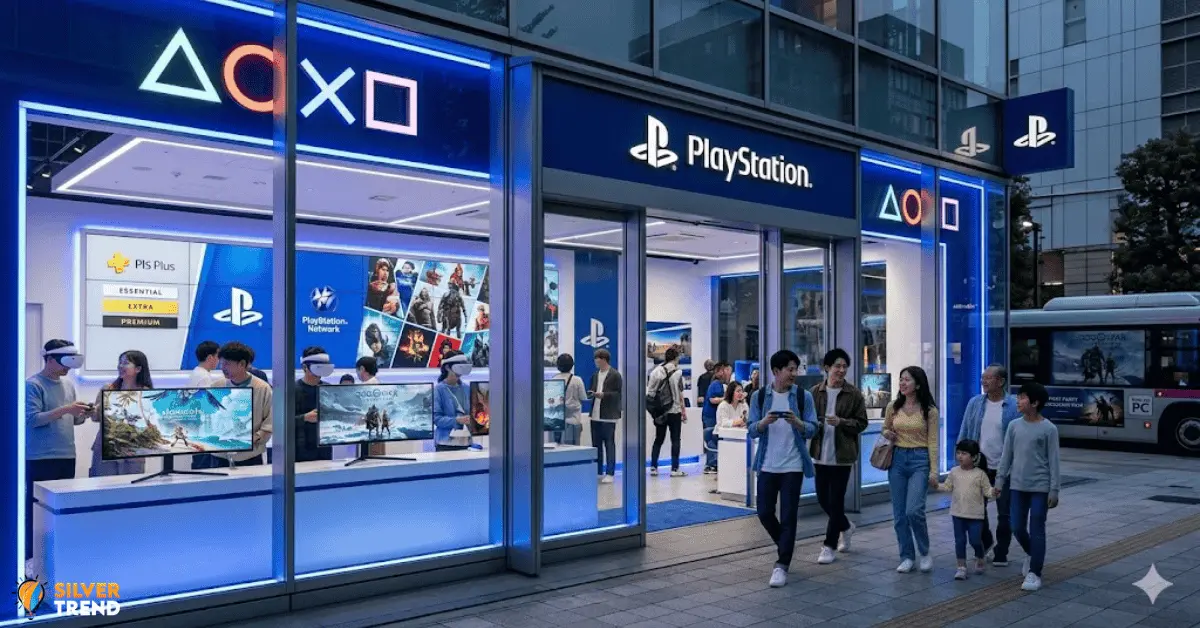
Before 2022, PlayStation Plus was mostly about free monthly games and online play. Then Sony restructured it into three tiers: Essential, Extra, and Premium.
This single move significantly transformed the Sony PlayStation platform’s business model. Instead of a flat fee, Sony now earns more from players who want a bigger library or access to classic games. It is similar to how streaming services offer basic and premium plans.
The smart part is this: each tier keeps different types of players happy. A casual player stays on Essential. A hardcore gamer moves to Extra or Premium. Sony earns more from the dedicated base while keeping the casual crowd inside the ecosystem.

The PC and Mobile Expansion Strategy
Something interesting happened recently. Sony started releasing its exclusive games on PC. Titles like The Last of Us and God of War arrived on Steam. Many fans were confused. Why would Sony hurt its own exclusivity?
The answer reveals how mature the Sony PlayStation platform business has become. By releasing on PC after a delay, Sony earns a second wave of revenue from players who never bought a console. It also builds brand awareness among PC gamers who might eventually consider a PlayStation.
Mobile is the next frontier. Sony has been testing smaller spin-off games and companion apps. The gaming world is moving toward multi-device play. Sony knows that the platform of the future is not tied to a box under a TV. It lives across screens.
What Most People Miss About Sony’s Approach
Here is a detail that rarely gets discussed. Sony does not just compete with Microsoft or Nintendo. It competes with time itself.
Every hour a player spends on PlayStation is an hour not spent on a phone, a streaming service, or a rival platform. The Sony PlayStation platform business is built to maximize what the industry calls “engagement time.” More time means more purchases, more subscriptions, and more loyalty.
Sony achieves this through:
- Regular game updates and live service titles
- Social features like trophies and share play
- Cross-media pushes such as the HBO Last of Us series that brought new players to PlayStation
- Cloud gaming access through PS Premium that lowers the barrier to try new games
The cross-media strategy is especially clever. When The Last of Us became a hit TV show, millions of new viewers became curious about the game. Some bought a PlayStation just to experience the original story. One creative project fed the entire Sony PlayStation platform business.
Where Sony Is Heading Next
The Sony PlayStation platform business is quietly preparing for a world where the console itself matters less. Streaming, mobile, and PC are all part of the bigger plan.
Sony is not abandoning hardware. But it is building a net wide enough to catch players who never touch a console.
The real power of this business is not technology. It is loyalty, stories, and a community millions of people feel at home in. That is not easy to copy. And that is exactly why Sony stays ahead.